Pedrico
Pedrico is a fellow fisherman in Santiago's small Cuban village, a member of the community that both mocks and respects the old man during his long run of bad luck. He appears in the story's final movement, after Santiago has returned from his three-day battle with the great marlin and the subsequent shark attacks, and he takes on the practical tasks that Santiago is too exhausted to perform. Pedrico's role is that of a reliable, unassuming friend who handles the material remains of the old man's greatest catch, embodying the quiet solidarity that exists among the fishermen of the Terrace.
Role in the Aftermath of the Great Fish
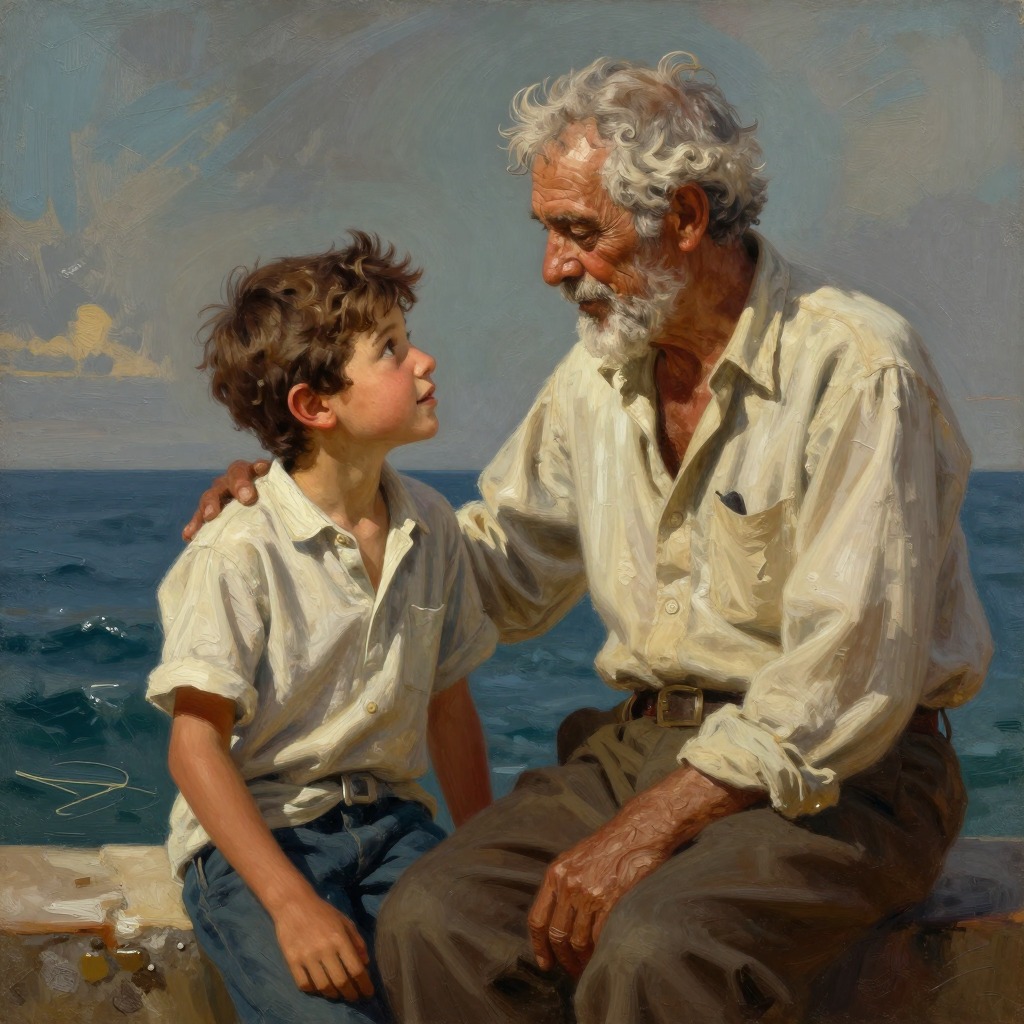
When the boy Manolin goes to check on the sleeping Santiago the morning after his return, he finds that Pedrico is already looking after the skiff and the fishing gear. The boy tells the old man, "Pedrico is looking after the skiff and the gear," and Santiago, still dazed from his ordeal, immediately thinks of the practical disposition of the marlin's remains. He instructs Manolin, "Let Pedrico chop it up to use in fish traps," giving away the massive head of the fish that had cost him so much. Later, as the boy leaves the shack, Santiago calls after him, "Don't forget to tell Pedrico the head is his," and Manolin promises to remember. Pedrico thus becomes the recipient of the most tangible trophy of Santiago's victory and defeat—the head of the marlin, which will be repurposed as bait, a fitting end for a creature that had been stripped of its meat by the sharks.
Place in the Fishing Community
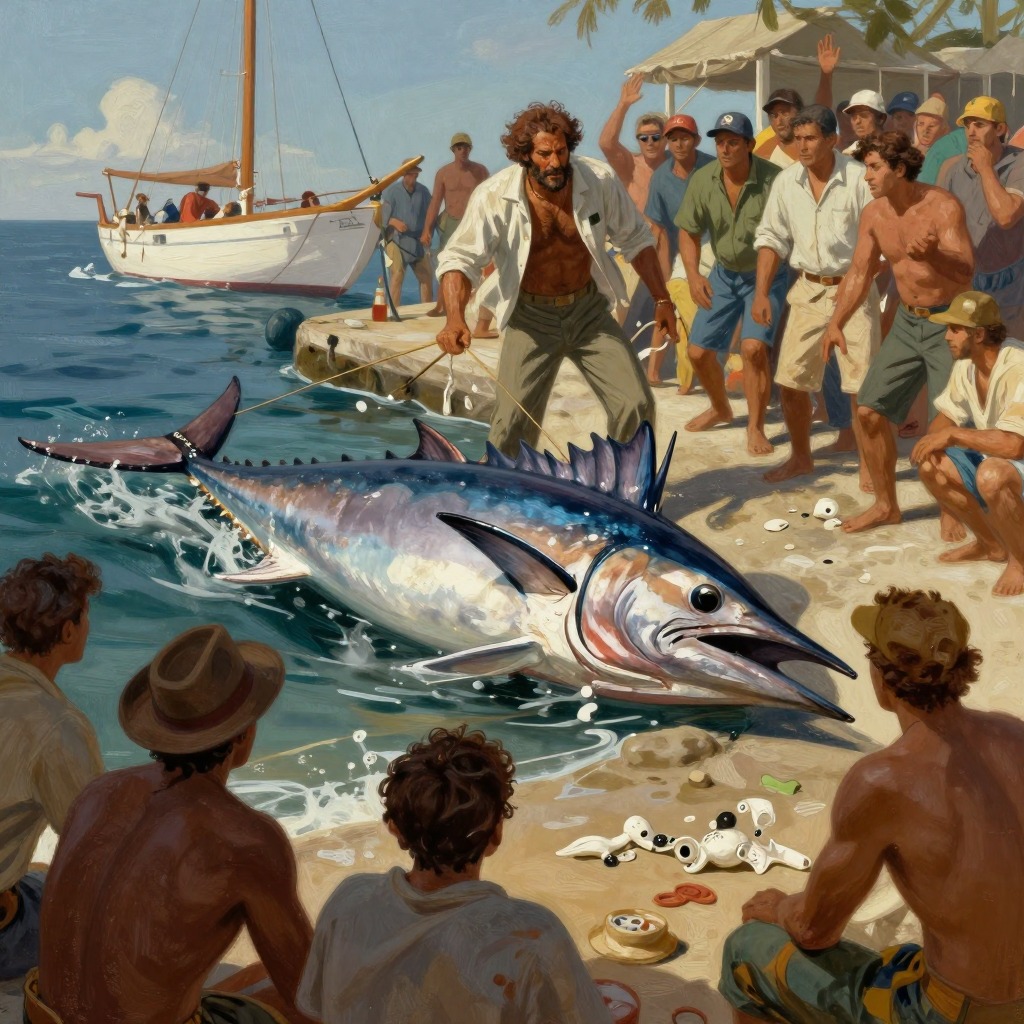
Pedrico is one of the older fishermen who, unlike the younger men who openly mock Santiago, treat him with a quiet, respectful politeness. On the Terrace, when the old man sits with the boy, the older fishermen "looked at him and were sad. But they did not show it and they spoke politely about the current and the depths they had drifted their lines at and the steady good weather and of what they had seen." Pedrico belongs to this group of seasoned men who understand the cruelty of the sea and the dignity of a fisherman who has endured eighty-four days without a fish. He is also the one who, according to the boy, gave Santiago a newspaper from the bodega, a small act of kindness that connects the old man to the world of baseball and the great DiMaggio. After Santiago's return, the proprietor of the Terrace, Martin, remarks to the boy, "What a fish it was. There has never been such a fish. Those were two fine fish you took yesterday too," and the boy, crying, dismisses his own catch. Pedrico, though not named in that exchange, is part of the community that gathers around the skiff to measure the skeleton—eighteen feet from nose to tail—and to witness the evidence of Santiago's feat.
Significance as a Supporting Figure
Pedrico's function in the narrative is to ground Santiago's transcendent, almost mythical struggle in the mundane realities of village life. While the old man's battle with the marlin and the sharks is a solitary, heroic ordeal, Pedrico's quiet assumption of responsibility for the gear and the fish's head reminds the reader that Santiago is not entirely alone. He is part of a network of fishermen who, despite their superstitions and their mockery, will help one another in practical ways. Pedrico's acceptance of the marlin's head for his fish traps also completes the cycle of the great fish's life: from a living creature of immense beauty and power, to a source of food and income, to bait for other fish. In this way, Pedrico, though a minor character, helps to underscore the novel's themes of community, the dignity of labor, and the unromantic, necessary aftermath of even the most heroic endeavors.